
Best Affirmation App for Anxiety Relief in Daily Life
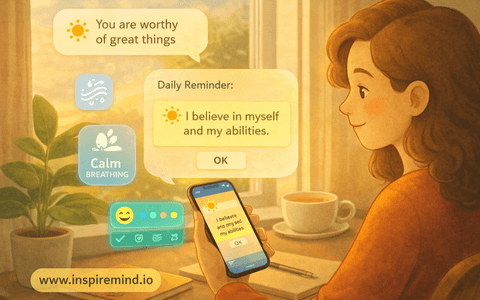
Discover the best affirmation apps for anxiety relief. Learn how daily positive affirmations, reminders, and guided audio sessions can reduce stress and improve mental well-being.
Picture this. A manager lies awake at midnight, eyes fixed on the ceiling, mind replaying missed calls, unfinished emails, and tomorrow’s meetings. The body is tired, but the thoughts keep racing. In that quiet room, anxiety feels very loud.
Stress, sleep anxiety, and burnout have become common for students, parents, and working professionals alike. Constant messages, long commutes, and tight deadlines keep the nervous system on high alert. When worry turns into a loop, it can feel hard to switch off, even for a few minutes. This is where a simple tool like an affirmation app for anxiety can make a real difference.
Positive affirmations are short, present-tense statements that gently interrupt harsh inner talk. Grounded in ideas from neuroscience and Cognitive Behavioral Therapy (CBT), they help “rewire” thinking toward calm and self-trust over time. A well-designed affirmation app for anxiety takes this practice out of the notebook and into the phone that is already in every pocket.
In this guide, you will see how affirmations work in the brain, what to look for in an affirmation or meditation app, and how to build a daily routine that actually fits a busy schedule. You will also see how InspireMind goes beyond a basic self affirmation app by combining journaling, meditation, and emotional analytics to support steady, long-term relief.
Key Takeaways
- Affirmations use repetition to train the brain. They slowly shift attention away from constant fear and toward calmer, more helpful thoughts. Over time this makes anxiety feel less overwhelming in daily life.
- A dedicated affirmation app for anxiety adds structure through reminders and categories. It removes guesswork when the mind already feels tired and stressed. Even short, guided sessions can bring a sense of control.
- The most helpful apps mix affirmations with tools like guided meditation, breathing exercises, and journaling. This supports both mind and body and makes the practice easier to stick with during busy weeks.
- Real change depends on steady use, not perfection. A few minutes of mindful affirmations each morning and night can matter more than long sessions done once a week.
InspireMind blends AI-guided journaling, mindfulness meditation, and mood insights so people can create a personal, data-informed routine for stress and anxiety support.
Why Affirmations Are a Powerful Tool for Anxiety Relief

Affirmations are short, present-tense sentences that speak to who someone wants to be, instead of what anxiety says they are. Phrases such as “I am safe right now” or “I can handle what comes next” directly answer the fearful thoughts that often show up before sleep or big tasks. Used regularly inside an affirmation app for anxiety, these lines become mental anchors during stressful moments.
The idea rests on neuroplasticity, which means the brain can form new pathways throughout life. Every time a calming statement is repeated, the pathway linked to that idea grows a little stronger. Worrying thoughts fire the old paths, while affirmations feed new ones that support steadier moods. Over weeks and months, the brain starts to reach for the calmer path more often, like a familiar road.
This practice is close to a key step in Cognitive Behavioral Therapy (CBT). CBT asks people to notice distorted thoughts such as “Everything will go wrong” and replace them with more balanced ones. Affirmations turn that step into a simple, daily habit. Instead of letting the mind say “I cannot cope with this meeting,” a saved line in a self affirmation app might say “I am prepared and I can speak clearly.”
Another helpful piece is the Reticular Activating System (RAS), the brain’s filter for what feels important. When someone keeps repeating statements about calm, safety, and strength, the filter starts to spot small signs of those states in real life. That can be as simple as noticing one task done well, or a kind message from a colleague.
Research on self-affirmation also shows a link with lower stress hormone levels and better problem solving under pressure. When affirmations are paired with slow breathing, they signal safety to the nervous system and ease the fight-or-flight response.
Repetition of positive statements is not wishful thinking. It is neuroscience in action.
You are training where your attention goes, one sentence at a time.
The good news is that this does not require perfect practice. A few honest minutes each day with an affirmation app for anxiety can build new patterns far more gently than most people expect.
Key Features to Look For in an Affirmation App for Anxiety
Not every app that calls itself an affirmation or positive app will support real change. Some send random quotes and stop there. To choose an affirmation app for anxiety that truly helps, it is worth focusing on features that support both the mind and the habit.
A helpful app makes it easy to:
- find words that feel personal,
- repeat them often, and
- connect them with calmer body states.
It should also feel simple enough to open even on a hard day. The table below offers a quick guide.
- Customizable affirmation library Personal wording speaks more deeply than generic lines, so stress thoughts feel directly answered.
- Smart reminders and scheduling Gentle prompts during morning, midday, and night help affirmations become a steady habit instead of a one-time activity.
- Audio recording and looping Hearing affirmations in one’s own voice builds trust, and looping sessions work like a soft affirmation repeater app.
- Guided meditation integration Short meditations calm racing thoughts so the mind is more open to an affirmation meditation section.
- Journaling and reflection prompts Space to note feelings and thoughts turns the app into an affirmation writing app that deepens self-understanding.
- Mood tracking and sentiment insights Simple charts and notes show how regular use affects mood, which keeps motivation steady.
- Calming interface and visual themes Soft colors, clear text, and minimal clutter prevent extra stress when the app opens.
- Privacy and data protection People can be honest with their thoughts only when they trust that their words and recordings stay safe.
Audio features deserve special attention. Many people find that an affirmation app that you can record and loop creates a very soothing background during commutes, showers, or before sleep. This style of self affirmation app turns practice into something that can run passively while someone is busy with simple tasks.
It also helps when an affirmation-focused positive app includes breathing guides, short body scans, or gratitude prompts. A single tool that blends affirmations with meditation and journaling supports anxiety from several sides at once.
“What gets scheduled gets done” is a saying many coaches use to explain why gentle reminders often matter more than motivation alone.
Practical Tip: Start with three must-have features that match your main stress pattern, such as custom text, smart reminders, and either meditation or journaling. Give this setup a few weeks before adding more options to keep things simple.
How to Use an Affirmation App Effectively Every Day
Building Your Daily Affirmation Routine

An affirmation app for anxiety only helps when it becomes part of daily life, not just a download on the home screen. The easiest way is to attach practice to moments that already happen, so it feels less like “one more task” and more like a gentle add-on. Even a self affirmation app free from a basic store can have strong impact when used this way.
Try this simple three-part routine:
- Morning (about 5 minutes):
Before checking messages, open the app and read or listen to three to five calming lines. Speak them out loud if possible, and let each one land with a slow breath. This puts the mind in a steadier place before outside demands appear. - Midday reset (2–3 minutes):
Many people feel anxiety peak before a regular call, class, or shift change. A reminder from the affirmation app for anxiety at that time can act as a gentle pattern break. Two or three minutes of repeating one line with relaxed breathing can soften racing thoughts and give the body a chance to release tension. - Evening wind-down (about 5 minutes):
Evening practice is especially helpful for people with sleep anxiety. About five minutes before going to bed, pair a few affirmations with slow, steady breaths and dim lights. Phrases that focus on safety, rest, and letting go help signal to the nervous system that it is safe to power down. InspireMind also invites users to turn simple habits like brushing teeth or washing dishes into mini meditations, so positive self-talk slips into the day without extra effort.
Writing Affirmations That Actually Resonate
Many people stop using an affirmation app for anxiety because the phrases feel fake, especially at first. This is where writing or editing one’s own lines inside an affirmation writing app can change the experience. When the words sound like something a kind inner voice would truly say, the practice starts to feel more natural.
- Use present tense whenever possible.
Sentences such as “I am calm enough to handle this call” tell the brain that this state exists now, not in some far future. This helps build a sense of active control instead of waiting for change. - Frame ideas in a positive direction.
The mind responds better to “I choose peace with this situation” than “I will not panic about this.” Positive framing gives the brain a clear target to move toward. It also reduces focus on the fear itself. - Keep statements short and full of feeling.
During intense anxiety, long sentences are hard to remember. A brief line such as “I breathe in calm and breathe out tension” is easier to repeat. Emotion words like calm, safe, strong, or grounded also give the body a clear signal. - Make each line believable enough to repeat without resistance.
If “I never feel anxious” sounds false, try “I am learning to meet my anxiety with kindness.” This still points toward growth while respecting the present reality.
The below offers simple examples that many people adapt inside their own self affirmation app.
Anxiety Type: Social anxiety
Instead of: “I hope people like me.”
Try This Affirmation: “I connect with others in an easy and genuine way.”
Anxiety Type: Performance anxiety
Instead of: “I must be perfect.”
Try This Affirmation: “I am prepared and I bring my best effort right now.”
Anxiety Type: General worry
Instead of: “I will not overthink this.”
Try This Affirmation: “I am grounded in this present moment.”
Anxiety Type: Sleep anxiety
Instead of: “I need to sleep right now.”
Try This Affirmation: “My mind and body remember how to rest.”
An affirmation app for anxiety becomes far more supportive when users take a few minutes each week to shape lines like these. Over time, the library starts to sound like a wise, caring inner coach instead of a random quote generator.
How InspireMind Supports Your Affirmation and Anxiety Relief Path

While a simple affirmation app for anxiety can be a strong starting point, many people benefit from a wider set of tools that address both thoughts and emotions. InspireMind brings several mental wellness practices into one place, with a gentle design that fits into the life of students, busy parents, and corporate teams — similar to how the Innertune Affirmations - App demonstrates the growing demand for daily positive thought tools on mobile platforms.
At the core is AI-assisted digital journaling. When someone opens the smart journal, InspireMind offers thoughtful prompts that help them put scattered thoughts into words. This is very helpful on days when the mind feels blank or heavy. Over time, these entries also become a rich source of personalized affirmations, since people can turn their own insights into short, positive lines.
Many therapists use the phrase “name it to tame it” to describe how putting feelings into words can soften their grip. Guided journaling inside an app like InspireMind makes that process feel safer and more structured.
InspireMind also includes mindfulness and guided meditation tracks that pair beautifully with affirmation practice. Users can listen to a short mindfulness meditation before reading affirmations, so the mind is quieter and more open. Loving-kindness meditations help build a kinder inner voice, which makes it easier to accept new statements from any affirmation meditation features.
For moments of high tension, InspireMind offers deep breathing exercises, body scans, and mindful walking prompts. These tools calm the nervous system and bring awareness back to the present moment. When someone then opens their affirmation app for anxiety, the words land on a steadier base.
Behind the scenes, InspireMind uses natural language processing and sentiment insights to reflect patterns in journal entries. Over weeks, users can see how moods shift, which affirmations feel most helpful, and where they are building strength. This aligns with research showing that personal, relevant affirmations carry more power than random quotes.
Because InspireMind also connects people with licensed mental health professionals through its wider network, it can act as both a self-care companion and a bridge to expert guidance when needed. In this way, affirmations sit inside a full mental wellness practice rather than standing alone.
Conclusion

An affirmation app for anxiety is far more than a collection of nice phrases. When backed by brain science, mindful breathing, and gentle repetition, affirmations can soften harsh inner talk and support steadier moods through long workdays and restless nights. The right app makes this practice simple to access and hard to forget.
How the app is used matters as much as which app is chosen. Short sessions morning, midday, and evening, plus affirmations that feel honest and personal, create the strongest effect. Adding meditation, breathing, and journaling multiplies the benefits and turns the phone into a pocket-sized calming space.
Anxiety does not disappear in a single day, yet every small, mindful choice counts. Opening an affirmation app for anxiety, writing one kind sentence, and matching it with a deep breath is a powerful first step. For those who want a more complete support system, InspireMind offers journaling, meditation, emotional insights, and access to professionals in one gentle space that grows alongside their needs.
FAQs
Can a Free Self Affirmation App Be Effective for Managing Anxiety?
A free self affirmation app can help a lot when it includes a clear library, reminders, and basic custom text. The real power lies in regular use and honest engagement, not in price. Many people start with a free version and then decide later if extra tools such as mood charts feel helpful.
What Is an Affirmation Repeater App, and Is It Useful for Anxiety?
An affirmation repeater app plays selected lines on repeat, often using the user’s own voice. This style of tool is helpful during walks, chores, or rest time, when someone wants positive words in the background. It supports the brain’s need for repetition without demanding constant focus.
How Long Does It Take for Affirmations to Reduce Anxiety Symptoms?
Changes tend to appear slowly and gently. Many people notice small shifts in self-talk and body tension within two to four weeks of daily use of an affirmation app for anxiety. Deeper emotional resilience often builds over eight to twelve weeks, especially when affirmations are paired with journaling and meditation features like those in InspireMind.
Can I Use an Affirmation App Alongside Professional Therapy for Anxiety?
An affirmation app for anxiety works very well next to therapy, especially with approaches that focus on thoughts and behavior. Many counselors encourage clients to practice affirmations between sessions as a way to keep progress going. Apps such as InspireMind add extra value here by giving space for guided reflection, mood tracking, and, when needed, smoother access to licensed professionals.