
Breathing Exercise in Yoga: Simple Techniques to Calm
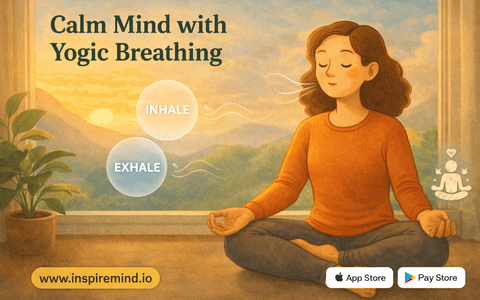
Learn simple breathing exercises in yoga to calm your mind, reduce stress, and improve sleep. Discover easy pranayama techniques for daily relaxation and mental wellness.
Picture a late night when the room is dark, the phone is finally quiet, yet the mind is louder than ever. Thoughts race, the heart feels heavy, and sleep seems far away. In moments like this, it can be surprising to learn that something as simple as a breathing exercise in yoga can start to ease stress and soften that tight, restless feeling inside.
For thousands of years, yogis have used the breath as a steady anchor for the mind. This practice is called pranayama, a form of conscious breath control that sits at the heart of many styles of yoga and breathing exercise meditation. What used to be shared in caves, temples, and quiet ashrams now appears in therapy rooms, office wellness workshops, and even on a favorite breathing app.
This article offers a gentle breathing exercise introduction that connects the past and the present. You will see how pranayama began, what modern science says about it, and how a breathing exercise in yoga can fit into a busy life at home or at work. You will also see how InspireMind uses technology, human guidance, and a caring voice to make these practices simple to start and easier to keep going.
Key Takeaways
- Pranayama links breath and mind. It is an ancient breathing exercise in yoga that began in early yoga texts and still helps people today. Think of it as a simple skill that anyone can learn with practice.
- Regular breathing exercise meditation calms the nervous system. It settles racing thoughts and can help with stress, sleep issues, and low energy. Over time, it supports better mood and steadier focus.
- You can practice breathing exercises at home without special gear. Calming, balancing, and energizing styles all come from the same basic idea of mindful breath.
- Modern tools such as InspireMind add gentle structure. Step‑by‑step guidance, voice prompts, and optional music make a breathing exercise in yoga easier to begin and keep as a daily habit.
What Is Pranayama? Understanding the Ancient Roots of Breathing Exercise in Yoga

Pranayama is a Sanskrit word made of two parts. Prana means life force or vital energy, and ayama means expansion or control. Put together, pranayama is the art of shaping the breath so that this life energy flows in a steady, helpful way. When someone practices a breathing exercise in yoga, they are usually working with some form of pranayama, even if the name is new to them.
In classic yoga texts such as the Yoga Sutras of Patanjali and the Bhagavad Gita, pranayama is named as the fourth limb of Ashtanga Yoga. It comes after ethical living and steady posture and before deep meditation. That order matters. Ancient teachers saw breathing exercise in yoga as a bridge between the physical body and the quiet, focused mind needed for meditation.
Most people breathe in a shallow way without thinking about it. Pranayama asks for something different. Each breathing exercise in yoga invites slow, smooth breaths through the nose, usually with the mouth closed, and a relaxed yet upright posture. This kind of breath can gently settle the nervous system and give the mind a clear point of focus.
Classical teachers spoke of long breath holds and even moments where breath seems to stop and the mind becomes very still. Modern flow classes often use breath more simply, to match movement and create a moving meditation. Both styles rest on the same idea. As one old teaching says, “When the breath wanders, the mind is unsteady. When the breath is calm, the mind is at rest.” For anyone seeking a kind breathing exercise introduction, pranayama offers that calm in small, repeatable steps.
The Real Benefits of Breathing Exercise Meditation — Science Meets Tradition

When stress builds, the body often flips into a steady fight‑or‑flight loop. The heart races, muscles stay tight, and the mind scans for danger, even when the real problem is just a long to‑do list or a tense email. A well‑taught breathing exercise in yoga gently does the opposite. Slow, deliberate breathing sends signals through the nervous system that it is safe to relax.
With breathing exercise meditation, longer exhales and steady rhythms support the parasympathetic nervous system, the part linked with rest and digestion. This shift can ease many physical signs of stress. Research on controlled breathing shows several clear body benefits:
- Heart and blood pressure support. Slow, deep breath patterns can lower heart rate and soften high blood pressure over time, even with short, regular sessions. This gives the heart and blood vessels a chance to rest.
- Vagus nerve activation. Many pranayama methods seem to nudge the vagus nerve, which helps regulate inner organs. When this nerve is active in a healthy way, the body finds it easier to move into calm states.
- Better breathing mechanics. A simple breathing exercise in yoga encourages fuller use of the diaphragm. This can increase lung capacity and bring more oxygen to the brain and muscles with less effort.
- Less body tension. As stress eases, people often notice fewer headaches, less tightness in the neck and jaw, and a general drop in body fatigue. The breath works like a quiet massage from the inside.
The mind also changes. Regular breathing exercise meditation is linked with less anxiety and better mood. By focusing on the feel and sound of each breath, the brain has fewer hooks for racing thoughts and repeated worries. People who practice before bed often report that they fall asleep faster and wake less during the night, which is welcome news for anyone trying breathing exercise at home for sleep anxiety.
Neuroscience adds more good news. Recent studies suggest that consistent meditation and a daily breathing exercise in yoga can reduce the size and reactivity of the amygdala, the brain area tied to fear and stress. That means the brain can learn to react less strongly to daily pressure and recover faster after a tense event.
“Feelings come and go like clouds in a windy sky. Conscious breathing is my anchor.” — Thich Nhat Hanh
“The breath is always with you, like a quiet friend. When you choose to notice it, your state of mind can begin to shift.”
For individuals, this means a low‑cost, always‑present tool for calming panic and sharpening focus. For HR leaders, it offers a simple way to support staff who face constant deadlines and meeting overload. For therapists and wellness practitioners, breathing exercise meditation can be a grounding skill clients use between sessions to steady emotions and build resilience.
Essential Breathing Techniques You Can Practice at Home

One of the kindest parts of this work is that no special place or outfit is needed. A breathing exercise in yoga can happen on a couch, at a desk, or sitting on the edge of a bed. Many people first meet these practices as a breathing exercise at home guided by a calm instructor on a screen, maybe a gentle breathing exercise instructor teaching slow belly breaths. Others arrive through a popular breathing exercise Sadhguru video that introduces classic yoga methods.
Below are four core patterns that come straight from traditional teaching yet fit modern life. Each one can be used as a short breathing exercise at home or during a quiet break at work.
4‑7‑8 Breath For Calming And Sleep
This pattern is simple. Sit or lie down in a comfortable position and let the body settle. Breathe in through the nose as you count to four, hold the breath softly for a count of seven, then breathe out through the mouth or nose for a count of eight. This long exhale slows the heart and tells the body that it is safe to rest. Many people use this as a nightly breathing exercise in yoga to ease sleep anxiety or as a quick reset during a stressful day.
Alternate Nostril Breathing Or Nadi Shodhana For Balance
This classic breathing exercise in yoga balances left and right sides of the brain. Sit upright and relax the shoulders. Use the right thumb to close the right nostril while breathing in through the left, then switch to close the left nostril with the ring finger while breathing out through the right. Continue by breathing in through the right and out through the left, moving back and forth. If you have watched a guided breathing exercise Sadhguru style, you have likely seen a version of this. It works well before a big meeting, after conflict, or before meditation.
Diaphragmatic Or Deep Belly Breathing As A Base
This is often the first breathing exercise introduction teachers offer. Place one hand on the chest and the other on the belly while sitting or lying down. Breathe in through the nose so the belly rises while the chest stays mostly still, then breathe out so the belly falls. This gentle breathing exercise in yoga helps the diaphragm move fully, brings more air into the lower lungs, and is kind to beginners of any age. It suits morning, midday, or evening and is perfect for a simple breathing exercise at home.
Kapalabhati Or Skull Shining Breath For Energy
This is a stronger breathing exercise in yoga used when the mind feels dull or sleepy. Sit with a straight spine and take a normal in‑breath. Then begin a series of short, sharp exhalations through the nose by snapping the lower belly inward each time, letting the inhalations happen on their own between pulses. Start with ten to fifteen pumps and rest. This practice can brighten focus and clear mental fog, so it is better in the morning or early afternoon rather than at night.
Some people like a quiet room. Others enjoy a breathing exercise with music in the background, such as soft piano or nature sounds. Either way, the most helpful step is picking one method and using it often for at least five to ten minutes.
Here is a quick guide to match goals with practices:
Goal: Reduce stress or anxiety
Recommended Technique: Alternate Nostril Breathing
Best Time Of Day: Any time a reset feels needed
Goal:Improve sleep
Recommended Technique: 4‑7‑8 Breath
Best Time Of Day: Evening and bedtime
Goal: Boost energy and focus
Recommended Technique: Kapalabhati
Best Time Of Day: Morning or mid‑afternoon
A few simple guidelines keep these practices safe:
- Stop or return to normal breathing if you feel dizzy, faint, or short of breath.
- Skip strong practices such as Kapalabhati during pregnancy or if you have heart or blood pressure concerns, unless cleared by a doctor.
- Start gently and increase time slowly, rather than forcing longer sessions at once.
Even though each method began as a breathing exercise in yoga, they all fit into real life outside a studio. With a bit of curiosity and patience, they can become steady, caring habits in the middle of busy days.
How InspireMind Brings Breathing Exercise in Yoga Into the Modern Age

Knowing that a breathing exercise in yoga can help is one thing. Remembering how to do it, staying with the count, and finding time between meetings or family duties is something else. Many people start with good intent, then feel lost, bored, or unsure if they are “doing it right.” This is where InspireMind steps in as a calm, smart partner.
InspireMind offers guided breathing tracks built around methods such as 4‑7‑8 Breath and Alternate Nostril Breathing. Clear voice prompts tell you when to inhale, hold, and exhale, so there is no need to watch a timer. Soothing background sound or gentle music can turn each track into a breathing exercise with music if that feels more inviting. For anyone new, this takes pressure off and makes a breathing exercise in yoga feel more like being walked through a simple routine by a kind friend.
Behind the scenes, InspireMind uses AI to notice patterns in how and when you practice. The app can suggest the next breathing exercise meditation, a Body Scan, or Yoga Nidra track that fits your stress level, mood, and sleep needs. Because InspireMind connects users with a wide network of licensed mental health professionals, you can move from self‑guided breathwork to a video or audio session with a therapist inside the same free app.
For individuals, InspireMind becomes a pocket wellness space that is ready at midnight or during a lunch break. HR leaders can share it with teams as an easy, private way to lower burnout risk without complex rollouts. Wellness practitioners can invite clients to use InspireMind between sessions so that each breathing exercise in yoga or meditation track supports the work they do together.
Conclusion

From ancient caves to smartphone screens, breath has stayed one of the most honest tools for easing stress and steadying the mind. A simple breathing exercise in yoga, repeated with care, can soften anxiety, support deeper sleep, and create small islands of peace in a crowded day.
Change does not need to be grand. Five quiet minutes of breathing exercise meditation every day often does more than one long session once a month. Whether you are caring for your own stress, looking after a team, or guiding clients, these practices offer a kind, practical place to start. If a bit of support would help, InspireMind is ready to guide each breath, one easy step at a time.
You've learned the science and the ancient wisdom behind breathing exercises in yoga — now it's time to feel the difference for yourself. InspireMind brings guided breathing exercises, calming meditations, and structured wellness practices right to your fingertips.
Whether you're winding down after a long day or finding a quiet moment at work, InspireMind makes it simple to breathe better, stress less, and feel more like yourself — every single day.
📲 Download the InspireMind App — Free to Get Started
FAQs
What is the best breathing exercise in yoga for beginners?
For most beginners, Diaphragmatic or Deep Belly Breathing is the gentlest way to start. The hand on the chest and belly gives clear feedback with every breath. Many people then add 4‑7‑8 Breath to ease stress or sleep trouble. InspireMind includes beginner tracks for both, with friendly step‑by‑step guidance.
Can I do breathing exercises at home without a yoga instructor?
Yes, you can practice most basic methods as a breathing exercise at home without a live teacher. Deep Belly Breathing, Alternate Nostril Breathing, and Box Breathing are all safe when done at a relaxed pace. InspireMind offers spoken instructions, timing, and optional music so you feel supported and confident on your own.
How does breathing exercise meditation help with sleep anxiety?
When fear of not sleeping rises, the body often tenses and the breath turns shallow. Breathing exercise meditation reverses this by slowing the breath, lengthening the exhale, and signaling the parasympathetic nervous system to take charge. Heart rate drops, muscles soften, and the mind becomes less alert. InspireMind’s sleep tracks pair methods such as 4‑7‑8 Breath with gentle stories and soundscapes to help the body move toward rest.
How long does it take to see results from pranayama breathing exercises?
Many people feel a shift, such as a calmer chest or clearer head, in their very first session. For deeper changes like steady sleep, less anxiety, or better focus, daily practice for four to eight weeks is often advised. Starting small, even three to five minutes a day, makes it easier to keep going. InspireMind helps by tracking your sessions and suggesting the next simple breathing exercise in yoga that fits your needs.