
How Do Journaling Apps Help Mental Well Being?
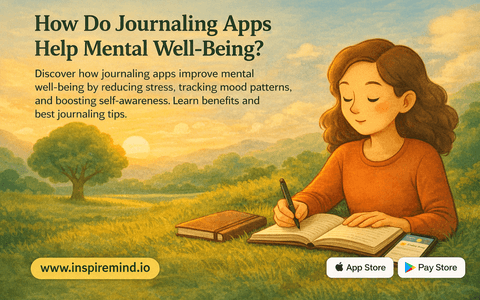
"You don't need an hour or perfect prose — just five honest minutes a day can change how your mind feels."
When your thoughts feel too loud and your to‑do list never ends, where do you turn? For many people in India, that restless mind shows up as lying awake at night, snapping at loved ones, or staring blankly at yet another work email. Stress, sleep anxiety, and burnout now cut across jobs, cities, and age groups, touching students, professionals, caregivers, and business owners alike.
Journaling sounds almost too simple compared with these big feelings, yet research shows it helps in very real ways. Writing about thoughts and emotions eases stress, supports emotional awareness, and even improves physical health. These mental health journaling benefits are not just for people in crisis; they help anyone carrying everyday worries.
The question many people now ask is, how do journaling apps help mental well being compared with an old notebook? Journaling apps bring the same reflective practice onto the phone that is already in the hand, adding reminders, prompts, and mood tracking so writing becomes easier to start and easier to keep going.
This is where InspireMind comes in. It is an AI-assisted journaling app that combines guided prompts, emotional analytics, and goal tracking with other self-care tools in one simple place. In this article, you will see the science behind journaling, the emotional and physical benefits, how digital apps strengthen the practice, and how to build a daily routine that feels realistic for real life.
Key Takeaways
- Regular journaling is backed by strong research for lowering stress, supporting mood, and building emotional awareness. Writing creates distance from worries and turns messy thoughts into a clearer story that the mind can handle more calmly.
- Digital journaling apps multiply the advantages of keeping a digital journal by adding prompts, reminders, and mood tracking. With InspireMind’s AI suggestions and emotional pattern insights, reflection becomes more focused, even on days when words feel hard to find.
- A steady routine does not need much time; five honest minutes are enough to feel real mental health journaling benefits. Over weeks, this simple habit supports better sleep, gentler self-talk, and journaling for personal growth at home or at work.
The Science Behind Journaling And Mental Well-Being

Psychologist Dr James Pennebaker’s work on Emotional Disclosure Theory helps explain why journaling is so powerful. When something upsetting happens, thoughts often feel chaotic and tangled, and emotions sit unspoken in the background. Turning that swirl into written words forces the mind to organise what happened and how it felt.
By creating a clear story, journaling reduces the mental effort of holding everything inside. Putting worries on a screen or page gives a sense of psychological distance, almost like moving heavy bags off the shoulders and onto the floor. That distance makes it easier to see problems from a calmer angle instead of feeling trapped inside them.
Research by Baikie and Wilhelm shows that regular expressive writing improves mood and reduces depressive symptoms. In other words, writing does not just describe feelings; it actively changes how the brain handles them. Unmanaged emotions can slowly build into chronic anxiety, burnout, or low mood. Journaling interrupts that build-up by giving emotions a safe place to go and be understood.
The body also benefits. A simple “brain dump” or gratitude list before bed often leads to better sleep, because the mind is not buzzing with unfinished thoughts. Lower stress from journaling links to lower blood pressure over time. Pennebaker’s work with colleagues even found that writing about deep emotions increases the activity of immune cells, showing how closely mind and body work together.
"Writing about emotional upheavals in our lives can improve physical and mental health." — Dr James Pennebaker
As many psychologists now explain, journaling is not simply recording events — it is an active process of emotional regulation and cognitive reorganisation.
These effects are not reserved for clients in therapy rooms. Office workers, students preparing for exams, parents juggling care, and HR teams worried about burnout can all use journaling as a simple, science-backed mental health habit.
Key Mental And Emotional Benefits Of Regular Journaling
How Journaling Reduces Stress And Anxiety

Stress and anxiety often feel like a loop of thoughts that never stops. When those thoughts move into words, they slow down. Seeing worries written in front of you creates psychological distance, so problems look smaller and more manageable instead of huge and fuzzy.
A journal becomes a private outlet where anything can be said without judgement. This healthy release stops emotions from building pressure beneath the surface. It is one reason journaling apps for managing anxiety are becoming part of many people’s self-care routines, often sitting alongside breathing or meditation tools.
Gratitude journaling gives a second layer of support. Listing even three small good moments from the day — for example:
- hearing a kind message from a friend
- finishing a task on time
- enjoying a quiet cup of tea
gently shifts attention away from only problems and towards things that are safe or pleasant. Over time, the brain starts to notice these positives more easily, which helps build resilience when life feels heavy.
For people who do not know how to start, apps that offer guided journaling for stress relief are especially helpful. InspireMind uses AI-generated prompts to ask simple, focused questions such as “What is one thing you can let go of this evening?” On days when the mind feels tired or stuck, those prompts act like a caring friend who knows exactly what to ask.
How Journaling Builds Emotional Awareness And Clarity
Many people find it hard to name what they feel beyond “stressed” or “fine.” Regular journaling gently trains the brain to notice more detailed emotions such as fear, guilt, joy, or disappointment. Writing “I felt jealous in that meeting” or “I felt proud after that call” builds emotional intelligence one small sentence at a time.
As patterns appear across entries, journaling supports emotional regulation. You might notice that certain comments from a manager quickly lead to anger, or that lack of sleep links to low patience at home. Seeing these links written down creates a small pause between feeling and reacting, giving space to choose a different response.
This process also brings mental clarity. Putting thoughts in order makes it easier to focus on work, decide on next steps, or solve problems without spinning in circles. Many people find that once feelings are on the page, the mind feels lighter and more ready to act.
InspireMind helps with this pattern-spotting by using AI to highlight repeated themes and emotional triggers across entries. Its insights can point out, for example, that Sunday nights often carry dread, or that certain tasks increase confidence. That kind of feedback turns simple writing into journaling for personal growth, guiding small, practical changes in daily life.
How Journaling Apps Modernise And Strengthen The Practice
Why Digital Journaling Beats The Blank Page
A big barrier to journaling is not lack of interest but not knowing where to start. A blank notebook can feel like pressure: “What should I write? Am I doing this right?” This feeling often leads to closing the book and giving up.
Digital journaling changes this experience. Apps provide structured guidance with prompts linked to goals such as easing stress, building confidence, or sleeping better. Instead of facing an empty page, the mind responds to simple questions and short exercises, which feels far less demanding.
The advantages of keeping a digital journal go beyond prompts:
- a phone is almost always nearby
- entries can be created in quiet moments during a commute or lunch break
- typed text is quick to search, revisit, and reflect on later
A phone is almost always within reach, so it's easy to record thoughts right after a tense meeting or a long commute, while feelings are still fresh. Strong privacy settings, including passwords and biometric locks, give reassurance that entries will stay personal, which encourages honest writing.
Many apps also allow voice notes or even quick video entries for those who prefer speaking over typing. This flexibility means people can pick the form that feels most natural on a busy day. For anxious minds, guided digital journaling becomes less of a task and more of a quick emotional check-in that fits into daily life.
InspireMind – AI-Assisted Journaling For Deeper Well-Being

InspireMind is designed as more than a simple diary on a phone. It brings AI, journaling, and mental wellness tools together so reflection, self-care, and expert support sit in one place.
- AI-generated prompts and insights gently suggest what to write about when words do not come easily. They also analyse patterns across entries, so users start to see how moods, triggers, and thoughts connect over time.
- Goal setting and progress tracking let people choose aims such as lowering daily stress or sleeping more peacefully. The app then tracks how often they show up to write and how their mood shifts, which makes progress feel visible and encouraging.
- Emotional regulation tools help create space between a strong feeling and a quick reaction. Short exercises, reminders, and reflections support calmer responses to tricky emails, family conflict, or exam pressure.
- Gratitude journaling features offer dedicated space for noticing wins, support, and small comforts. These repeated moments of appreciation slowly train the mind to balance worries with a sense of what is going well.
- Mental clarity support helps organise thoughts before big decisions, reviews, or presentations. By sorting ideas in the app, users often walk into meetings or personal conversations feeling clearer about what they want to say.
Alongside journaling, InspireMind links users to guided meditation, sleep support, emotional analytics, and a decentralised network of licensed mental health professionals, giving one integrated experience instead of a cluster of separate apps.
Building A Daily Journaling Routine That Sticks

"You don't need an hour or perfect prose — just five honest minutes a day can change how your mind feels."
Therapists often share this reminder with clients. That reframe takes away much of the pressure that often blocks new habits. The aim is not beautiful writing; the aim is gentle, regular contact with your inner world.
A good routine fits into life rather than fighting it. For a student, that might mean writing on the metro; for a working parent, it might be two quiet minutes after the children sleep. For HR managers, journaling can sit inside wider team wellness programmes, where employees use the same app but keep completely private entries.
Here are some simple, practical ways to make journaling stick:
- Start with just 5 minutes: Short sessions feel less intimidating, so it is easier to begin. Once the habit is steady, many people naturally choose to write for longer without pressure.
- Choose a regular time Linking journaling to an existing habit, like morning tea or bedtime, helps the brain treat it as part of the normal day. This regular cue makes skipping less likely.
- Use guided prompts Prompts remove the stress of thinking up a topic from scratch. They keep entries focused on specific themes like stress, relationships, or self-confidence, which makes progress easier to notice.
- Embrace imperfection A journal is not a school essay and no one is grading it. Spelling mistakes, half-sentences, and messy thoughts are all welcome, because honesty matters far more than style.
- Track your mood over time Adding a simple mood rating to entries builds a record of how feelings rise and fall. Looking back at this record highlights patterns and small wins that might otherwise slip by unnoticed.
InspireMind supports this steady routine with gentle reminders, streaks, and progress views that reflect each person’s behaviour. Its AI adjusts prompts based on recent entries, so the practice grows with the user rather than staying static. For companies, offering InspireMind as part of mental health support gives employees a private, low-barrier tool that fits around meetings and shifts without needing extra workshops.
The best routine is the one that feels natural. With the right app, journaling becomes less of a task and more of a brief daily pause that the mind begins to look forward to.
Conclusion

Journaling brings together science and everyday life in a surprisingly simple way. Expressive writing helps the brain organise emotions, ease stress, and support the body, while digital tools make the habit easier to start and keep. When people ask how do journaling apps help mental well being, the answer lies in this blend of psychology and technology.
The mental health journaling benefits are clear: calmer thoughts, better sleep, and more awareness of what truly matters. Over time, this quiet habit becomes a powerful method for journaling for personal growth, shaping kinder self-talk and wiser choices.
Starting something new can feel hard, especially when life already feels heavy. InspireMind is designed to meet people exactly where they are, with AI prompts, mood tracking, and access to caring professionals in a single, free app. Your mental well-being deserves steady, everyday care. Begin with one prompt, one reflection, and one small step with InspireMind today.
FAQs
How Do Journaling Apps Help Mental Well-Being On A Daily Basis?
Journaling apps guide regular reflection with prompts, mood tracking, and simple check-ins. Writing for just a few minutes clears mental clutter and creates distance from worries. Over time, this steady habit reduces stress, supports emotional awareness, and builds resilience, especially when using AI-assisted tools such as InspireMind .
Are Journaling Apps Effective For Managing Anxiety?
Yes. Research on expressive writing shows that putting anxious thoughts into words reduces their intensity. Journaling apps add structure for anxious minds by offering short prompts and calming exercises. Apps that offer guided journaling for stress relief are especially useful, because they stop people feeling lost in front of a blank page.
What Are The Advantages Of Keeping A Digital Journal Over A Paper One?
A digital journal lives on the phone that is already nearby, so it is easy to write in any spare moment. Entries are protected by passwords or biometrics, which supports honest expression. Guided prompts, AI-based pattern insights, and options such as voice notes help people stay consistent, which is the key to long-term mental health gains.
Can Journaling Apps Support Personal Growth?
Definitely. Journaling for personal growth works best when goals and patterns are clear. Apps like InspireMind let users set intentions, spot repeated themes in their writing, and track mood shifts over weeks and months. This ongoing feedback turns simple entries into a practical guide for small, steady changes in thoughts, habits, and relationships.