
Mental Health vs Physical Health: Why Both Matter
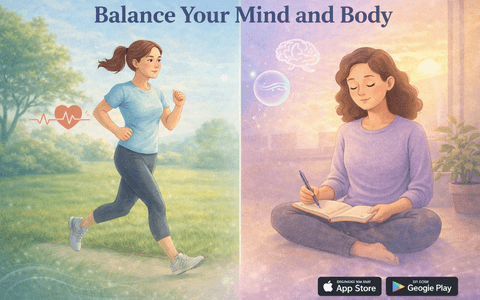
Mental health vs physical health — why both matter for a balanced life. Learn how mind and body are connected, key benefits of holistic wellness, and simple daily habits to improve health.
You hit the gym, eat your veggies, and try to get enough steps. Your doctor says your numbers look fine, yet you still feel wired, exhausted, or on the edge of tears by the end of the day. Somewhere in the back of your mind, the question of mental health vs physical health keeps popping up.
Most people learn to treat a cough, a sprain, or high blood pressure right away, while stress, panic, or numbness get brushed off as personality quirks. That is how mental health vs physical health often turns into an unfair contest. Mental health is not just the absence of a diagnosis. It includes how you handle stress, how steady your mood feels, how you relate to others, and how much energy you have for daily life.
The science is clear. Your brain is an organ just like your heart. Thoughts, feelings, and beliefs send signals through your nervous system, hormones, and immune cells every single day. This means the real question is not which side wins in mental health vs physical health. The real question is how to care for both in a kind, realistic way. In this article, you will see how tightly mind and body are linked, why mental health often gets sidelined, how stress shows up in your body, and how InspireMind can support your whole person, all from one simple app.
Key Takeaways
- Mental and physical health are tightly linked. Each change in one side affects the other. Seeing mental health vs physical health as a contest hides how closely they work together.
- Stress, anxiety, and low mood show up in the body . They can raise blood pressure, disturb sleep, and weaken the immune system. Caring for your mind is a direct way to protect long term health.
- Tools like InspireMind bring mind and body care into one place. Short practices help you calm stress, sleep better, and notice tension. This makes whole-person wellbeing feel realistic even with a full schedule.
The Bidirectional Link Between Mental And Physical Health

When you put mental health vs physical health side by side, it can seem like two separate charts. In reality, they are one system. Mental health covers emotional, psychological, and social wellbeing. It shapes how you think, feel, act, and connect with people. A well-known public health definition, echoed by the World Health Organization, describes it as a state that lets you handle stress, work and learn well, and contribute to your community, not just a life without a diagnosis.
"There is no health without mental health." — World Health Organization
Your brain is physical tissue. Nerves, chemicals, and blood flow through it, just like other organs. When you live with ongoing anxiety, depression, or constant stress, your brain sends stronger and more frequent stress signals. Those signals raise cortisol, tighten blood vessels, and tilt your immune system toward inflammation. Over time, this makes physical problems more likely. Research links depression and long term stress with higher rates of heart disease, stroke, diabetes, and chronic pain. This is one side of the mental vs physical wellbeing loop.
The other side is just as strong. Living with cancer, diabetes, heart disease, or traumatic brain injury brings pain, fear, and limits on daily life. That constant pressure can feed anxiety, low mood, and feelings of hopelessness. Many people first notice how much their mental health matters only after a serious illness changes how they move, work, or sleep.
Most psychiatric patients die early from physical illnesses, not from their mental diagnoses.
That sentence shows how deep the link is. Mind and body talk to each other all day, every day. Some of the physical conditions most tied to mental health challenges include
- Heart disease, where long term stress and depression raise blood pressure and strain blood vessels. These changes can make recovery slower and future events more likely.
- Type 2 diabetes, which can be harder to manage when motivation is low. Depression can make healthy eating, movement, and medication routines feel overwhelming.
- Chronic pain and traumatic brain injury, which change the way the nervous system processes signals. This can heighten both physical discomfort and emotional distress at the same time.
Even with this strong link, mental health vs physical health still gets framed as an either-or choice, which leads directly into the next problem.
Why Mental Health Gets Left Behind — And Why That's A Proble
Many people sense that their emotional struggles are not treated as seriously as a broken bone. A recent national survey found that about three out of four adults believe mental health issues are spotted and treated worse than physical ones. That gap shows up in everyday clinic visits, workplace policies, and even the way family members react when you say you feel burned out. The mental health vs physical health gap is baked into the system you move through
Some of the main reasons mental health care lags behind include:
- Medical training that focuses more on tests and procedures than on mood and stress
- Insurance and workplace systems that make it easier to get help for a broken arm than for burnout
- Cultural messages that praise pushing through pain while dismissing rest or therapy
Medical training is one example. Future doctors spend countless hours reading lab results and scans, yet far less time practicing deep listening or gentle questions about mood and stress. Many see psychiatric patients only in locked inpatient units where people are in deep crisis. They do not see the quiet, steady work that happens in outpatient care, where most people manage depression, anxiety, and trauma while still going to work and caring for family. At the same time, more than fifteen percent of primary care visits center on mental health concerns, yet many doctors feel underprepared to help.
Then there is stigma. Mental health awareness is growing, but old beliefs still linger. Some people see anxiety or depression as a sign of weakness or lack of willpower rather than a medical issue that deserves care. That shame can run deep, including inside your own thoughts. As one helpful comparison puts it, feeling ashamed about needing help for panic attacks is as outdated as feeling ashamed about needing glasses.
"What mental health needs is more sunlight, more candor, and more unashamed conversation." — Glenn Close
The good news is that stigma can shrink piece by piece.
- You can seek professional help for emotional pain in the same way you would for chest pain or a severe rash. That simple step sends a powerful message to yourself that your inner life matters.
- You can notice and challenge your own self talk. When the mind says you should just push through, you can answer with kinder thoughts and see your struggle as a human response, not a flaw.
- You can speak up when people joke about therapy or label others as crazy. Gentle, calm replies help build mental health awareness in families, workplaces, and online spaces.
As more people push back in these ways, the old frame of mental health vs physical health slowly shifts toward care that treats the whole person.
How Your Mental State Shapes Your Physical Body
Think back to the last time you felt under heavy pressure. Maybe an inbox full of urgent messages, a sick child, or a sleepless night before a big meeting. That tight chest, shallow breathing, and twisting stomach were not in your head. They were your body reacting to your thoughts and feelings. This is where the mental vs physical wellbeing link becomes very personal.
When your brain senses threat, it turns on the fight or flight response:
- Stress hormones like cortisol and adrenaline rise
- Your heart beats faster and muscles tense
- Digestion slows so you can respond to danger
This reaction is helpful in short bursts, such as jumping out of the way of a car. The problem comes when that alarm stays on for weeks or months because of money worries, work overload, or family conflict.
Long term stress can raise blood p ressure, promote inflammation, and weaken the immune system. That is one way mental health vs physical health shows up in lab work and medical charts. Stress also changes how your body processes sugar and fat, which can nudge you toward diabetes and weight gain. When your mind never gets to stand down, your body pays a price.
Sleep is another clear link. Anxiety, racing thoughts, and emotional overload are common reasons people lie awake at night. Poor sleep then feeds irritability, brain fog, and physical pain, which makes worries even louder the next night. Over time this loop raises risk for heart disease, depression, and accidents. It is easy to feel trapped when the thing you need most, deep rest, is the thing that feels out of reach.
Emotions that never get processed can settle into the body as well. Many people notice headaches, jaw clenching, back pain, or gut issues when they push feelings aside. Mindfulness practices like body scans and slow breathing help you notice these signals sooner. They activate the parasympathetic nervous system, often called the rest and digest system, which gently lowers heart rate and eases muscle tension. When you care for your mental state, you are not only feeling calmer, you are actively protecting your heart, immune system, and sleep cycles. This is the heart of mental health vs physical health in daily life.
"The body keeps the score." — Bessel van der Kolk, MD
How InspireMind Supports Your Whole-Person Wellbeing

InspireMind starts from a simple belief. You should not have to choose in the debate over mental health vs physical health. Your mind and body work as a team, so your support system should do the same. Instead of giving you one more thing to manage, InspireMind brings several calming practices and smart tools into a single app that fits into real life.
- Mindfulness meditation and breathing practices help you slow down racing thoughts and soften stress in just a few minutes. Short guided sessions train your attention, so you can notice worry earlier and return more gently to the present moment. Over time, this steadier mind state helps your body spend more time in a calm, healing mode.
- Body scans and mindful walking connect mental awareness with physical signals. You learn to notice where tension hides in your shoulders, jaw, or belly. This makes it easier to release that tension before it turns into constant pain or burnout, bringing the idea of mental vs physical wellbeing into everyday movement.
- Sleep improvement practices such as progressive muscle relaxation and yoga nidra guide you through easing each part of your body while quieting self criticism. These sessions support people with stress-based insomnia by giving the mind a soothing focus, which helps rest feel safer and more reachable.
- AI powered journaling uses gentle prompts and language insights to help you track patterns in your mood, sleep, and stress triggers. You can see how changes in your thoughts and habits affect both how emotional health shows up in body signals and physical energy, which turns self reflection into clear next steps.
All of these tools are backed by mental health professionals and powered by smart tech that adapts to your needs. InspireMind does not replace medical care. It strengthens it, giving you daily ways to care for both sides of mental health vs physical health without leaving your phone.
Conclusion
When you look closely at mental health vs physical health, the old either-or frame falls apart. Your thoughts, feelings, and beliefs live in the same body as your heart, lungs, and muscles. Investing in one side almost always supports the other, whether that is through better sleep, steadier blood pressure, or more energy for the people you love.
At the same time, real barriers still exist. Stigma, short medical visits, and constant stress can make it hard to ask for help or even to notice how worn out you feel. Yet awareness is a powerful first step, and practical tools make the next ones much easier. InspireMind offers guided practices, sleep supports, and AI based journaling in one place so you can care for your whole self. If your mood, worries, or stress feel unmanageable, it is always worth reaching out to a doctor, therapist, or local support line for direct help.
Caring for your mind is caring for your body. You deserve both, and you do not have to pick a side in mental health vs physical health to start right now.
FAQ
Is Mental Health More Important Than Physical Health?
Neither side is more important. They are parts of one system that constantly interact, so neglecting either one pulls the other down. For example, long term stress can raise blood pressure and weaken immunity, while chronic illness can feed anxiety and depression. The most helpful mindset is to see mental health vs physical health as a partnership rather than a contest.
How Does Mental Health Affect Physical Health?
Mental distress changes your body through hormones, nerves, and habits. Depression and anxiety can raise stress chemicals, which tighten blood vessels and increase inflammation. Worry can keep you up at night, and poor sleep slows healing and dulls focus. Over time, this raises the risk of conditions such as heart disease, stroke, and diabetes, showing how close the mental health vs physical health link really is.
What Are Simple Ways To Improve Both Mental And Physical Health At The Same Time?
You can start with small daily practices instead of sweeping life changes. Mindfulness meditation , slow breathing, and body scans calm the mind while relaxing muscles and lowering heart rate. Gentle movement like mindful walking supports mood and circulation together. Using InspireMind for guided practices and AI powered journaling helps you spot patterns in stress, sleep, and mood so you can support both sides of mental health vs physical health in one simple routine.